Key Takeaways
- Foundation damp proofing creates an essential moisture barrier that prevents soil dampness from penetrating your foundation walls and causing interior damage
- Unlike waterproofing, damp proofing won’t protect against standing water, hydrostatic pressure, or flooding situations
- Properly installed damp proofing can extend your foundation’s lifespan by preventing moisture-related deterioration of concrete, masonry, and reinforcing materials
- Most building codes require some form of damp proofing in new construction, but many older homes lack adequate protection
- TSC Waterproofing & Foundation Repairs provides expert assessment to determine whether damp proofing is sufficient for your foundation needs or if more comprehensive waterproofing is required
Your home’s foundation is the literal bedrock of your property’s stability, but many homeowners don’t realize it’s silently under attack. Moisture from the surrounding soil constantly threatens to infiltrate your foundation, potentially causing thousands in damage over time. Understanding what foundation damp proofing actually does and equally important, what it doesn’t do can save you significant headaches and expenses in the long run.
The Hidden Truth About Foundation Damp Problems
Every foundation, regardless of age or construction type, faces a constant battle against moisture. Soil naturally contains water that seeks equilibrium, meaning it’s always trying to move from wet areas to dry ones like your foundation walls and floor. This isn’t just occasional dampness we’re talking about; it’s a persistent force that works 24/7 to find any vulnerability in your home’s defenses.
Left unchecked, this moisture intrusion can lead to a cascade of problems. Minor dampness gradually weakens concrete and mortar, creating pathways for more serious water penetration. As moisture enters your foundation, it can cause efflorescence (those white, chalky deposits), spalling concrete, and deteriorating mortar joints. More concerning, it creates the perfect environment for mold and mildew growth, which can affect your family’s health and damage interior finishes.
The insidious nature of foundation dampness makes it particularly troublesome. By the time most homeowners notice visible signs inside their home musty odors, damp basement walls, or water stains moisture has likely been infiltrating for months or even years. This is precisely why preventative measures like damp proofing are so critical to maintaining your home’s structural integrity and indoor air quality.
How Foundation Damp Proofing Actually Works
Foundation damp proofing is essentially a protective coating or membrane applied to exterior foundation walls before backfilling during construction. Its primary purpose is creating a barrier that prevents soil moisture from migrating through the porous materials of your foundation. Unlike what many assume, it’s not simply waterproofing with a different name it’s a specific solution for a specific problem.
The key principle behind effective damp proofing is reducing permeability. Your foundation materials whether concrete, block, or brick all have microscopic pores that can absorb moisture through capillary action (the same physics that makes a paper towel soak up spills). Damp proofing seals these pores on the exterior surface, preventing moisture transmission while still allowing the material to “breathe” to some extent.
The Science Behind Damp Proof Courses (DPCs)
Damp proof courses function as horizontal barriers typically installed in masonry walls at ground level. These specialized layers prevent ground moisture from rising through the foundation and into your home’s walls a phenomenon appropriately called “rising damp.” Traditional DPCs used materials like slate, lead, or copper, while modern versions often employ polymeric materials like polyethylene or bitumen-based products.
The physical principle behind DPCs is creating a capillary break. When water attempts to move upward through tiny spaces in masonry (capillary action), it encounters the DPC material that water cannot penetrate. This forces the moisture to stop its upward journey, protecting everything above the DPC line. For existing structures without adequate DPCs, retrofit solutions like chemical injection can create a similar moisture barrier by injecting water-repellent compounds into the masonry.
How Different Damp Proof Courses Work
Traditional DPC: Physical barrier layer installed during construction
Retrofit Chemical DPC: Injected solution that cures to form water-repellent barrier
Electro-Osmotic DPC: Low-voltage system that reverses capillary moisture flow
Pressure-Injected DPC: High-pressure insertion of waterproofing compounds
The effectiveness of any DPC depends largely on proper installation and the surrounding drainage conditions. Even the best damp proof course can be overwhelmed if excessive ground moisture is allowed to accumulate against foundation walls. This highlights why comprehensive moisture management requires not just damp proofing but also proper grading, gutters, downspouts, and perimeter drainage systems working in concert.
Types of Damp Proofing Materials
The landscape of damp proofing materials has evolved significantly over decades, each offering distinct advantages for different foundation types and conditions. Bituminous coatings remain among the most common these asphalt-based products create a flexible barrier that can accommodate minor foundation movement while blocking moisture transmission. They’re typically spray-applied or hand-applied with brushes or rollers in multiple coats to ensure complete coverage.
Cementitious damp proofing represents another major category, using modified cement mixtures that bond directly to concrete or masonry surfaces. These products penetrate slightly into the substrate, creating a more integrated moisture barrier that’s particularly resistant to abrasion during backfilling. For increased performance, many modern formulations incorporate polymers, resins, or crystalline compounds that enhance waterproofing capabilities while maintaining breathability.
Sheet membranes offer perhaps the most comprehensive protection, though at higher cost and installation complexity. These pre-formed barriers typically made from polyethylene, rubberized asphalt, or EPDM are physically attached to foundation walls, creating a continuous, uniform barrier with excellent puncture resistance. The controlled thickness and composition of sheet membranes provide more predictable performance than field-applied liquid products, making them ideal for challenging soil conditions.
Application Methods for Different Foundation Types
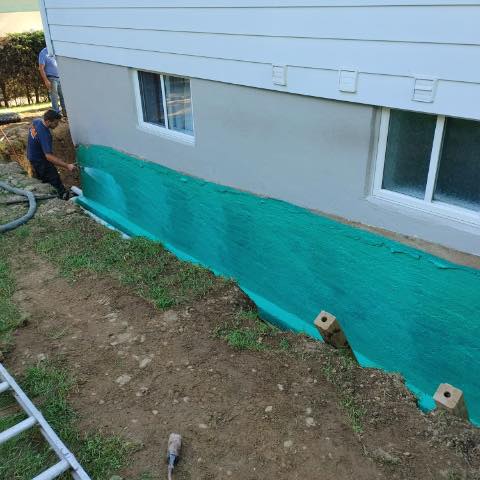
Poured concrete foundations typically receive damp proofing via spray application, allowing quick coverage of large surface areas. The timing is critical the concrete must be fully cured but still clean and free of dirt, with any form ties cut back and patched prior to application. Most applicators use airless sprayers that atomize the damp proofing material, ensuring it penetrates surface irregularities for complete coverage.
5. Create a Moisture Barrier in Normal Ground Conditions
Under normal soil conditions with proper drainage, damp proofing creates an effective moisture barrier that significantly reduces the amount of water vapor passing through foundation walls. This barrier functions as your first line of defense, preventing the slow, persistent migration of soil moisture that can gradually deteriorate building materials and create unhealthy interior conditions. For most residential applications in well-drained soils, this level of protection adequately addresses the most common moisture concerns while remaining cost-effective.
The Limits of Damp Proofing You Need to Know
While foundation damp proofing offers valuable protection, homeowners must understand its limitations to make informed decisions about foundation moisture control. Damp proofing is designed specifically to resist soil moisture not liquid water under pressure. This distinction is crucial because many basement water problems involve more than just dampness.
The primary limitation of damp proofing is right in its name: it addresses “damp” conditions, not “wet” ones. Standard damp proofing products aren’t designed to bridge cracks that may develop in your foundation, nor can they withstand hydrostatic pressure from groundwater or prevent water intrusion during heavy rains or flooding events. Think of damp proofing as water-resistant rather than waterproof like the difference between a light windbreaker and a heavy-duty rain jacket.
Many homeowners discover these limitations the hard way after experiencing basement water problems despite having damp proofing. That’s because damp proofing is only one component of a comprehensive moisture management system. Without proper grading, drainage, and gutters, even the best damp proofing will eventually fail when confronted with conditions it wasn’t designed to handle.
- Damp proofing resists soil moisture but not standing water or water under pressure
- It won’t bridge or seal cracks that develop in your foundation after installation
- Most damp proofing materials deteriorate over time, especially when exposed to harsh soil conditions
- Standard applications don’t protect against moisture entering through foundation cracks or floor-wall joints
- Damp proofing can’t compensate for improper drainage or grading issues around your foundation
It Won’t Stop Flooding or Hydrostatic Pressure
Perhaps the most significant limitation of standard damp proofing is its inability to resist hydrostatic pressure. When water accumulates in the soil around your foundation whether from heavy rains, poor drainage, or high water tables it creates pressure against foundation walls. This pressure can force water through even the smallest cracks or imperfections, overwhelming the protection damp proofing provides. During flood conditions or persistent heavy rains, this pressure can become substantial enough to cause seepage or even structural damage that no damp proofing system can prevent on its own.
It Can’t Fix Existing Water Damage
Another common misconception is that applying damp proofing can solve existing moisture problems. Unfortunately, damp proofing is a preventative measure, not a remedial one. If your foundation already shows signs of water intrusion, efflorescence, or active leaks, simply adding damp proofing to the exterior won’t resolve these issues. Existing problems typically require more comprehensive solutions that address both the symptoms and underlying causes, potentially including crack injection, interior drainage systems, or full waterproofing measures combined with drainage improvements.
It Doesn’t Solve Condensation Issues
Many basement moisture problems aren’t actually coming from outside but are the result of condensation when warm, humid air contacts cooler foundation surfaces. Damp proofing does nothing to address this interior moisture source. In fact, foundations with only damp proofing (lacking proper insulation) often experience significant condensation problems, particularly during summer months in humid climates when temperature differentials between the basement and surrounding soil are greatest.
This condensation can create misleading symptoms that mimic foundation leakage, including damp walls, water droplets, and even minor puddles. Addressing these issues requires different solutions entirely, such as proper insulation, dehumidification, and adequate ventilation none of which fall within the capabilities of foundation damp proofing.
It’s Not a Replacement for Proper Drainage
Perhaps the most common mistake homeowners make is assuming damp proofing can compensate for poor drainage around their foundation. No damp proofing system, regardless of quality or cost, can overcome fundamentally flawed water management. If your gutters overflow, downspouts discharge too close to the foundation, or the ground slopes toward your home, water will accumulate around your foundation in quantities that will eventually defeat even the most robust damp proofing. Proper drainage is the first and most essential layer of defense damp proofing should be viewed as a secondary measure that works in conjunction with good drainage practices, not as a substitute for them.
Damp Proofing vs. Waterproofing: Choosing the Right Solution
The distinction between damp proofing and waterproofing isn’t just technical jargon it represents fundamentally different approaches to moisture protection with significant implications for performance and cost. Damp proofing is designed to resist soil moisture in its vapor state or minor dampness, while waterproofing creates a comprehensive barrier system engineered to stop both water vapor and liquid water under pressure. This difference becomes critically important when determining the appropriate protection for your specific foundation conditions.
The decision between these options should be based on several factors, including your local soil conditions, water table height, precipitation patterns, foundation type, and intended use of below-grade spaces. A finished basement used as living space warrants more robust protection than an unfinished storage area. Similarly, homes in areas with high water tables or heavy clay soils typically need more comprehensive moisture barriers than those in well-drained sandy soils on elevated sites.
When Basic Damp Proofing is Sufficient
Damp proofing often provides adequate protection for foundations in specific favorable conditions. These include sites with good natural drainage, sandy or loamy soils that don’t retain water, foundations above the local water table, and homes with proper grading and gutter systems. In these situations, the primary concern is preventing the migration of soil moisture rather than stopping flowing water. Additionally, damp proofing may be sufficient for unfinished basement spaces where occasional minor dampness won’t damage finished materials or create habitability issues.
Signs You Need Full Waterproofing Instead
Several warning signs indicate your foundation needs waterproofing rather than basic damp proofing. These include visible water seepage or standing water after rains, white mineral deposits (efflorescence) on walls, persistent musty odors, visible mold growth, or a history of basement flooding. Geographic factors also matter homes in flood-prone areas, locations with clay soils that hold water, or properties with high water tables generally require waterproofing. Additionally, if you plan to finish your basement as living space, waterproofing provides the higher protection standard necessary to safeguard your investment in finished materials and maintain healthy indoor air quality.
Cost Comparison and Long-Term Value
The cost difference between damp proofing and waterproofing can be substantial, with waterproofing typically running 2-3 times more expensive than basic damp proofing. However, this price difference must be evaluated in context of long-term performance and risk. Waterproofing represents an insurance policy against potentially much larger costs associated with water damage, mold remediation, and structural repairs. For homes with high risk factors or valuable finished spaces, the additional investment in comprehensive waterproofing often proves more economical over time than dealing with the consequences of inadequate moisture protection. The best approach is having a professional assessment that evaluates your specific conditions rather than assuming the minimum code-required protection is sufficient for your situation.
Common Damp Proofing Failures and Why They Happen
Even properly installed damp proofing can fail under certain conditions, and understanding these failure mechanisms helps homeowners maintain realistic expectations and implement appropriate supplementary measures. The most common failures result from improper application (insufficient thickness or missed areas), foundation settlement causing cracks that breach the damp proofing layer, backfill damage during construction, or material degradation over time. Environmental factors also contribute to failures, particularly freeze-thaw cycles that stress the foundation, tree roots that create pressure points, or unusually wet seasons that create water conditions exceeding the damp proofing’s design parameters. Recognizing that damp proofing has a limited lifespan typically 10-15 years for most applications helps homeowners anticipate when preventative maintenance or upgrades might become necessary.
Improper Installation Mistakes
The effectiveness of damp proofing largely depends on proper installation, yet this critical phase is where many failures begin. Common installation errors include insufficient surface preparation, where concrete foundation walls aren’t properly cleaned of dirt, form oil, or release agents before application. These contaminants prevent proper adhesion, creating weak spots where moisture can eventually penetrate. Similarly, applying damp proofing in inappropriate weather conditions too cold, too hot, or too humid can compromise curing and performance, leading to premature failure even when using quality materials.
Another frequent mistake occurs during backfilling operations, when contractors damage the freshly applied damp proofing by dragging sharp objects against the foundation or using heavy equipment too close to the walls. These damages often go unnoticed until moisture problems develop months or years later. Inadequate coverage represents another installation pitfall, particularly at complex junctions or transitions between different materials where applicators might skip difficult-to-reach areas. These gaps in protection become the weak links that eventually allow moisture to bypass the entire system, regardless of how well the rest was installed.
Material Degradation Over Time
All damp proofing materials have a finite lifespan and gradually degrade when exposed to soil conditions. Bituminous coatings typically become brittle and crack with age, especially in areas with significant temperature fluctuations that cause foundation movement. Chemical interactions with soil compounds can accelerate degradation, particularly in acidic soils or areas with high concentrations of organic matter. Even high-quality materials eventually break down through natural aging processes, with most standard damp proofing applications maintaining peak effectiveness for 10-15 years before performance begins to decline noticeably. This inevitable degradation means homeowners should consider periodic assessment of their foundation’s moisture protection, especially when planning basement renovations or after experiencing unusual water events that may have stressed the system.
Changes in Ground Conditions
Perhaps the most unpredictable factor affecting damp proofing performance is changing ground conditions around your foundation. Landscaping modifications that alter drainage patterns, neighboring construction that disrupts natural groundwater flow, or unusually wet seasons that raise the local water table can all create moisture conditions exceeding your damp proofing’s design parameters. Climate change has exacerbated this issue in many regions, bringing more frequent extreme weather events that subject foundations to unprecedented moisture stress. Even seemingly minor changes like letting gutters clog, removing trees that previously absorbed groundwater, or adding impermeable hardscaping near your foundation can dramatically alter the moisture load against your foundation walls. Since most damp proofing is designed for “typical” conditions at the time of installation, these environmental changes often expose the limitations of basic moisture barriers that weren’t engineered for worst-case scenarios.
Frequently Asked Questions
Homeowners frequently have questions about foundation damp proofing as they navigate decisions about protecting their property’s most critical structural element. The answers below address some of the most common uncertainties regarding damp proofing effectiveness, implementation, limitations, and costs information essential for making informed choices about moisture protection strategies.
How long does foundation damp proofing typically last?
Standard foundation damp proofing typically provides effective protection for 10-15 years, though this varies significantly based on installation quality, environmental conditions, and material type. Bituminous coatings generally have shorter lifespans in areas with freeze-thaw cycles, while polymer-modified products may last longer. Signs that your damp proofing is failing include increased interior dampness, white mineral deposits on foundation walls, musty odors, or visible moisture staining. Homeowners should consider having their foundation’s moisture protection assessed if their home is approaching the 15-year mark or if they notice any of these warning signs, particularly before investing in basement finishing or renovation projects.
Can I install damp proofing myself or should I hire a professional?
While DIY damp proofing products exist for interior application, exterior foundation damp proofing generally requires professional installation to be effective. Proper exterior application demands specialized equipment, extensive excavation, thorough surface preparation, and technical knowledge of application techniques and material requirements. The consequences of improper installation can be severe, potentially leading to water damage, mold problems, and structural issues that far outweigh any initial cost savings.
Professional contractors bring not only technical expertise but also diagnostic skills to identify the specific moisture challenges your foundation faces and recommend appropriate solutions. They can assess whether basic damp proofing is sufficient or if your situation demands more comprehensive waterproofing measures based on soil conditions, water table levels, and foundation construction. For existing homes, the excavation required to access foundation walls for proper damp proofing is itself a major undertaking that typically requires professional equipment and expertise to avoid damaging utility lines or compromising foundation stability.
Will damp proofing fix my existing mold problems?
Damp proofing alone won’t resolve existing mold problems, though it may help prevent future moisture intrusion that contributes to mold growth. Mold remediation requires a separate process that includes identifying and eliminating the moisture source, removing contaminated materials, and thoroughly cleaning affected areas with appropriate antimicrobial treatments. Only after addressing the active mold issue and its underlying causes should you consider damp proofing as part of a comprehensive moisture management strategy to prevent recurrence. In many cases, homes with established mold problems need more robust waterproofing systems rather than basic damp proofing, along with interior humidity control measures like dehumidifiers or ventilation improvements.
Is damp proofing required by building codes?
Most building codes require some form of damp proofing for new construction, though specific requirements vary by location. Typically, codes mandate at minimum the application of bituminous coating or equivalent material on exterior foundation walls in contact with soil. However, these code requirements represent minimum standards rather than best practices, and they often don’t account for specific site conditions that might warrant more robust protection. Many building professionals recommend exceeding these minimum requirements, particularly for finished basement spaces or in areas with challenging soil or groundwater conditions. For existing homes built before current codes were established, there’s generally no requirement to retrofit damp proofing unless undertaking major renovation work that requires permits and inspections.
How much does professional foundation damp proofing cost?
Professional foundation damp proofing costs typically range from $3-$6 per square foot of foundation wall for new construction, where access is readily available before backfilling. For existing homes requiring excavation to access foundation walls, costs increase substantially to $10-$15 per square foot or more, depending on accessibility, depth, and obstacles like decks or landscaping. Full waterproofing systems with drainage components generally cost 2-3 times more than basic damp proofing but provide significantly enhanced protection. While this represents a substantial investment, it should be evaluated against the potential costs of water damage, mold remediation, and decreased property value associated with chronic moisture problems. Most foundation specialists offer free assessments and detailed estimates that outline protection options at different price points, allowing homeowners to make informed decisions based on their specific risk factors and budget constraints.
Understanding what damp proofing can and cannot do empowers homeowners to make informed decisions about protecting their most valuable asset. Whether you’re building new, addressing existing issues, or planning preventative maintenance, properly managing foundation moisture is essential for preserving structural integrity and maintaining healthy indoor environments. Every home has unique moisture challenges, and the right approach combines appropriate barriers with proper drainage and regular maintenance.
Making the Right Choice for Your Home
The decision between basic damp proofing and more robust waterproofing ultimately comes down to risk assessment and understanding your specific foundation conditions. Start by evaluating your property’s moisture risk factors: local soil type, drainage patterns, water table depth, foundation construction, and history of moisture issues. For new construction, investing in comprehensive moisture protection typically costs far less than addressing problems after they develop. For existing homes, have a qualified foundation specialist conduct a thorough assessment to identify current moisture pathways and recommend appropriate solutions that address your specific conditions rather than generic approaches. Remember that proper moisture management requires a systems approach damp proofing alone isn’t sufficient without complementary measures like proper grading, functioning gutters and downspouts, and possibly interior drainage options for high-risk situations. The right solution balances protection level with cost while considering the intended use of your below-grade spaces and the potential consequences of moisture intrusion.